Australian Fathers and Sons: Fiction About Men Across Generations
Some of Australian literature's most powerful moments happen in the charged, often wordless space between fathers and their children — on fishing trips, at kitchen tables, in hospital waiting rooms, at gravesides. This collection gathers Australian fiction that examines fatherhood, masculinity, and what gets passed down whether we want it to or not. Timely in September and resonant well beyond it.
Recommendation signals: User submission
Why these books work together
# Australian Fathers and Sons: Fiction About Men Across Generations
There is a particular kind of silence that lives between fathers and their children. You know the one. It sits in the ute on the drive home, hangs over the fishing line, fills the space where words should be but never quite arrive. Australian fiction understands this silence better than almost any other national literature. Our writers know that the things men pass down to their children — courage, shame, land, grief, a way of holding themselves in the world — rarely get spoken aloud. They get demonstrated, inherited, absorbed. This collection gathers six novels that dig into that charged, wordless territory, exploring what fatherhood costs, what masculinity demands, and what gets handed on whether anyone wants it or not.
Tim Winton looms large here, and rightly so, because no one writes the ache of Australian manhood quite like he does. In The Riders, you meet Scully, a father unmoored, waiting at an airport with his young daughter Billie for a wife who never appears. What follows is a desperate journey across Europe, but the real story is the fierce, tender bond between a broken man and the child who becomes his anchor. And in Cloudstreet, that sprawling masterpiece of postwar Perth, two working-class families crowd into one house, and you watch fathers and sons stumble toward each other across kitchen tables and years of hard luck, learning that love in these households is rarely spoken but always present.
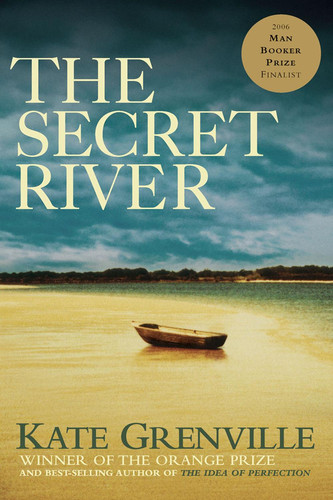
The inheritance of violence and guilt runs deep through Kate Grenville's The Secret River, where William Thornhill, an illiterate London bargeman transported to colonial New South Wales, makes choices on the Hawkesbury that will echo through generations. What does a father pass to his children when the land beneath his feet was taken by blood? David Malouf asks a related question in Remembering Babylon, where thirteen-year-old Gemmy Fairley, cast ashore and raised by Aboriginal people, returns to a white settlement and forces everyone around him to reckon with what belonging and identity really mean. These are novels about the fathers of a nation as much as the fathers of families, about the stories we tell ourselves to survive what we have done.
Peter Carey's Oscar and Lucinda brings a wilder energy, a nineteenth-century romance of misfits and gamblers where a clergyman's son flees the rigid faith of his father and finds himself building an impossible glass church across the Australian wilderness. Here the shadow of paternal expectation drives a young man to the far side of the world. And Helen Darville's controversial The Hand that Signed the Paper turns the lens toward tribal loyalty, racial hatred, and the terrible weight of what one generation's choices lay upon the next.
Read these books together and you will notice how often the important things happen in the margins. A hand on a shoulder. A journey undertaken without explanation. A house that holds too many people and somehow enough love. Whether you are a father yourself, or a son or daughter still puzzling over the man who raised you, or simply someone who loves fiction that refuses easy answers, this collection offers company for the questions. Pour yourself a coffee, settle in, and let these six remarkable novels show you what lives in the silence.