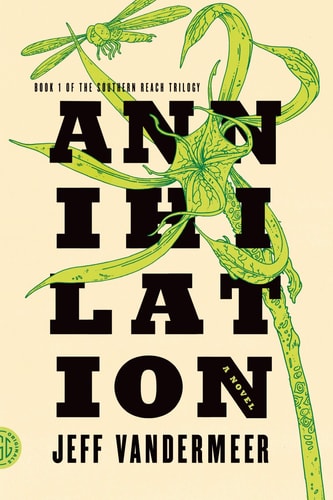
Hugo and Nebula Award Winners
Science fiction's highest honors—novels recognized by fans and writers as the genre's finest achievements.
Recommendation signals: User submission
Why these books work together
The Hugo and Nebula Awards represent science fiction's most prestigious recognition—the Hugo voted by fans, the Nebula by fellow writers. Winners of both awards simultaneously achieve the rare "double crown" that marks a novel as a genuine genre landmark.
Dune swept both awards in 1966, establishing a template for ecological science fiction. The Left Hand of Darkness won both in 1970, demonstrating that SF could tackle gender with sophistication. William Gibson's Neuromancer took the double crown in 1985, launching the cyberpunk movement and reshaping how we imagine our digital future.
These novels represent the field at its most ambitious—works that pushed boundaries, sparked conversation, and defined what science fiction could achieve. They're an excellent starting point for readers new to the genre, and rewarding revisits for longtime fans.