Books Like Lessons in Chemistry for Sharp Witty Women
Bonnie Garmus's novel created a whole generation of readers searching for fiction featuring brilliant, underestimated women navigating systems designed to ignore them. This collection captures that specific combination of dry wit, feminist anger, and unexpected warmth that made Lessons in Chemistry a phenomenon. Perfect for readers who want substance and humour in equal measure.
Recommendation signals: User submission
Why these books work together
# Books Like Lessons in Chemistry for Sharp, Witty Women
There is a particular kind of reader who finished Lessons in Chemistry and immediately wanted more. You know the type, because you probably are the type. You want women who are clever enough to be dangerous, systems that underestimate them at their own peril, and the sort of dry humour that sneaks up and makes you laugh out loud on public transport. You want warmth without sentimentality, anger without preachiness, and characters so vivid they feel like people you have actually argued with. Bonnie Garmus tapped into something enormous with Elizabeth Zott, and the good news is that she is far from alone. There is a whole shelf of books waiting for you that deliver that same intoxicating blend of brains, bite, and unexpected tenderness.
Let us start with the outsiders, the women who move through the world at a slightly different angle. Eleanor Oliphant Is Completely Fine by Gail Honeyman gave us one of literature's most gloriously prickly narrators, a woman whose rigid routines and blunt honesty mask a history of profound pain. Like Elizabeth Zott, Eleanor refuses to soften herself for anyone's comfort, and watching her cautiously open to friendship is genuinely moving. In a similar spirit, The Maid by Nita Prose introduces Molly, a hotel worker whose literal way of reading the world makes her both an unlikely murder suspect and an unlikely detective. Molly sees everything and is seen by almost no one, and Prose turns that invisibility into her heroine's secret weapon.
That theme of overlooked women achieving extraordinary things runs straight through Miss Benson's Beetle by Rachel Joyce, where a middle-aged schoolteacher abandons her dreary life to hunt for a mythical golden beetle in New Caledonia. It is a story about scientific passion, female friendship, and the sheer audacity of a woman deciding her ambitions matter. If you loved Elizabeth Zott's fierce belief in her own work, Margery Benson will feel like a kindred spirit. The same quiet defiance shapes The Guernsey Literary and Potato Peel Pie Society by Mary Ann Shaffer and Annie Barrows, where writer Juliet Ashton discovers a wartime book club that formed under German occupation. Told through letters, it is witty and warm and full of characters who used literature to survive the unbearable.
For those who love a sharp mind paired with a good mystery, the Richard Osman box set is essential, gathering The Thursday Murder Club, The Man Who Died Twice, The Bullet That Missed, The Last Devil to Die, and We Solve Murders. At the heart of these deliciously clever puzzles is Elizabeth, a retired intelligence agent whose lethal competence is precisely the sort of underestimated brilliance this collection celebrates. Osman writes older characters with dignity and mischief in equal measure, and his humour is exactly the dry variety you crave.
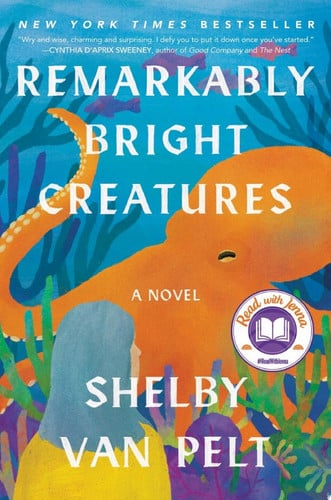
Then there is the stranger, more luminous entry in this collection. Remarkably Bright Creatures by Shelby Van Pelt pairs a grieving widow named Tova with a remarkably perceptive octopus, and somehow this improbable friendship becomes one of the most tender examinations of loneliness you will read. Van Pelt's Tova, still working and still sharp in her seventies, embodies the resilient woman navigating a world that has stopped paying attention. It is the perfect reminder that intelligent, curious women can be wrapped in genuine wonder at any age.
What connects all of these books is a certain refusal. These are stories about women who will not shrink, who insist on their intelligence, their curiosity, and their right to take up space. Whether they solve murders, chase beetles, befriend octopuses, or simply survive the beautiful ordinary business of being alive, they do it with wit intact. So pour yourself something warm, settle in, and pick whichever of these calls to you first. Each one promises the same satisfying jolt of recognition you felt with Elizabeth Zott, and the reassuring knowledge that clever, underestimated women always, eventually, get the last word.