Books for When You're in a Career That No Longer Fits
The realisation that you've built the wrong life, professionally speaking, arrives at different ages and with different intensities, but the feeling of wearing something that doesn't fit is specific enough to need its own reading list. These books track the slow disenchantment, the moment of decision, and the terrifying process of beginning again.
Recommendation signals: User submission
Why these books work together
# Books for When You're in a Career That No Longer Fits
There's a particular kind of Sunday evening dread that has nothing to do with being lazy or ungrateful. You've done everything right. You climbed, you earned, you built. And yet somewhere along the way you looked up and realised the life you constructed belongs to someone else entirely, or perhaps to a version of yourself you've long outgrown. This feeling of wearing a costume that no longer fits is more common than anyone admits at dinner parties, and it arrives at every age, often when you least expect it. If you're reading this, you probably already know the sensation. The good news is that you're not broken, and you're certainly not alone. These eight books are companions for the whole journey, from the first flicker of doubt to the frightening, exhilarating business of starting over.
Let's begin with the hardest truth, the one nobody wants to hear. Walking away is a skill, not a failure, and Annie Duke makes this case beautifully in Quit: The Power of Knowing When to Walk Away. Drawing on her background in decision science, Duke dismantles our cultural obsession with grit and shows that knowing when to abandon a sinking ship is often smarter than clinging to the mast. This pairs naturally with Henry Cloud's Necessary Endings, which argues that pruning, whether of employees, businesses, or relationships, is essential to growth. Cloud uses the metaphor of a rosebush that needs careful cutting to flourish, and it's a surprisingly gentle framework for anyone terrified of letting go.
Once you've accepted that endings are necessary, you need a map for the murky in-between. William Bridges offers exactly that in Transitions: Making Sense of Life's Changes, a quiet classic that distinguishes between external change and the internal psychological process of transition. Bridges insists that every beginning starts with an ending and a disorienting neutral zone, which is oddly comforting when you feel lost. Brianna Wiest extends this reflective work in her Workbook for the Pivot Year, a collection of 365 exercises and prompts designed to turn passive reading into genuine self-examination, nudging you daily toward becoming the person you actually want to be.
From here, the collection turns practical and forward-looking. Bill Burnett and Dave Evans bring Stanford design thinking to the problem of living in Designing Your Life, encouraging you to prototype different futures rather than agonising over one perfect answer. Cal Newport challenges a cherished myth in So Good They Can't Ignore You, arguing that the advice to follow your passion is dangerously misleading, and that mastery and valuable skills are what actually create work you love. If you've ever felt paralysed because you don't have a singular calling, Newport's reframing is liberating.
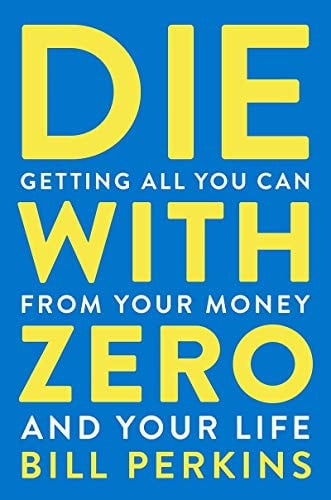
Two books here widen the lens to the whole shape of your life. Meg Jay's The Defining Decade speaks directly to twentysomethings, insisting these years matter enormously despite the thirty-is-the-new-twenty reassurances, and offering compassionate guidance on identity capital and building a future deliberately. Bill Perkins comes at it from the opposite end in Die With Zero, urging you to stop deferring joy until a retirement that may never arrive as imagined, and to spend your time, money, and energy on experiences while you can still enjoy them. Together, Jay and Perkins bracket the whole adult timeline, both pleading with you not to sleepwalk through it.
What unites these eight books is a refusal to treat your discontent as something to suppress. Whether you're twenty-six or fifty-six, the ache of a career that no longer fits is information, not weakness, and these authors want you to listen to it. Start wherever you are. If you need permission to leave, begin with Duke or Cloud. If you need a process, reach for Bridges or Wiest. If you're ready to build something new, let Burnett, Evans, and Newport guide your hands, while Jay and Perkins remind you why the urgency is real. Pour yourself a coffee, pick the book that unsettles you most, and begin the quiet, brave work of fitting your life back to yourself.